
Managing Rapid Myopia Progression in Riverside Kids Before the Next School Year Starts
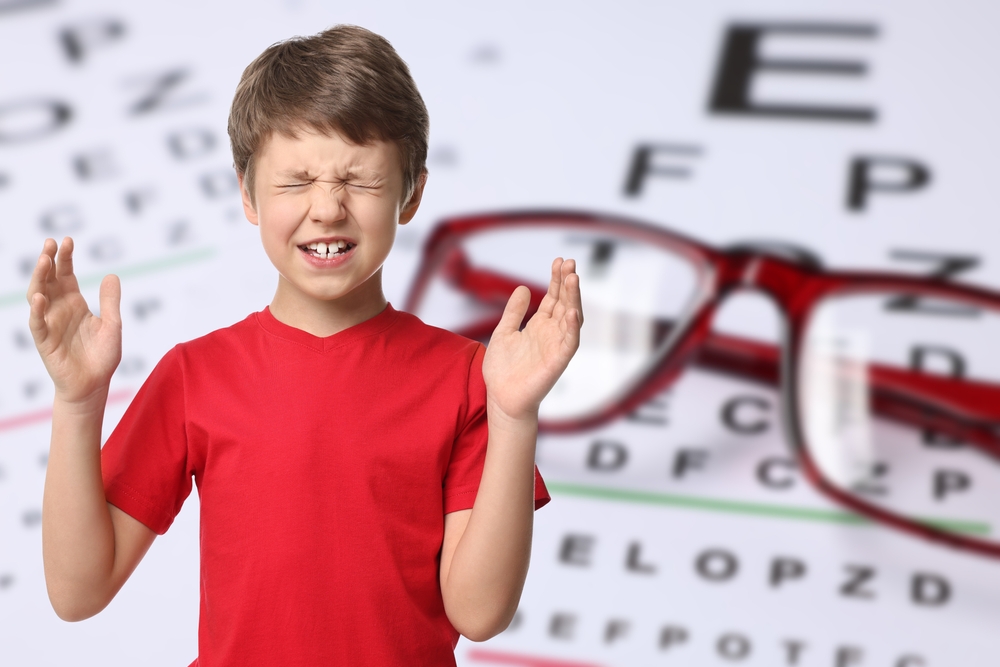
Myopia can change quickly during childhood, sometimes leaving a child with noticeably blurrier distance vision from one school year to the next. For Riverside families, summer offers a valuable opportunity to check for prescription changes and begin a myopia management plan before classes, homework, sports, and other activities return to a full schedule.
Myopia management goes beyond updating glasses. Its purpose is to slow the progression of nearsightedness as a child grows, helping protect long-term eye health while supporting clearer, more comfortable vision.
Why Rapid Myopia Progression Deserves Attention
Myopia develops when the eye grows too long, causing distant objects to appear blurry. Children may squint at the board, move closer to screens, struggle to recognize people from far away, or complain that their glasses no longer work as well.
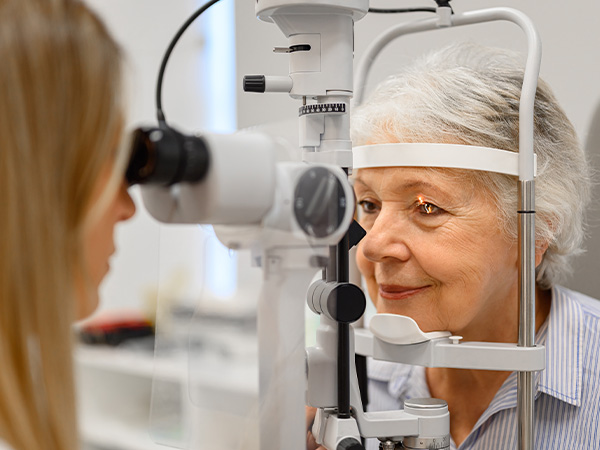
Because children may not recognize gradual vision changes, regular pediatric eye exams are important. A comprehensive evaluation can determine whether the prescription has changed and whether the child’s myopia is progressing faster than expected. The earlier progression is identified, the sooner parents can explore ways to help slow it.
Higher levels of myopia are also associated with greater risks to eye health later in life. Managing progression during childhood is not only about helping a student see the classroom board. It is a proactive step toward protecting vision over time.
Signs Your Child May Need an Eye Exam Before School
Parents should schedule an eye exam when a child reports blurry distance vision or shows changes in visual habits. Warning signs may include:
- Squinting to see signs, television screens, or classroom materials
- Sitting unusually close to digital devices
- Complaining of headaches or tired eyes
- Losing interest in sports or activities that require distance vision
- Needing a stronger glasses prescription within a short period
Even without obvious symptoms, an annual exam can help track changes that may otherwise go unnoticed.
Myopia Management Options for Riverside Children
Every child’s eyes, prescription, age, and routine are different. A personalized myopia control plan may include orthokeratology, MiSight 1 day contact lenses, low-dose atropine eye drops, or soft multifocal contact lenses.
Orthokeratology lenses are worn overnight to gently reshape the cornea, providing clear daytime vision while helping manage progression. MiSight daily disposable contact lenses are designed for children and provide vision correction while slowing myopia progression. Low-dose atropine is used at night to help reduce excessive eye growth, while soft multifocal contacts may also be considered for certain children.
The right option depends on the child’s eye health, maturity, lifestyle, treatment goals, and ability to follow the recommended routine. Ongoing visits are essential because myopia management requires regular monitoring rather than a one-time prescription.
Why Summer Is a Smart Time to Begin
Starting before the next school year gives children time to adjust to contact lenses, eye drops, or a new nighttime routine without the pressure of early mornings and packed school days. It also allows the eye doctor to check the initial response and make any needed adjustments before classroom demands increase.
Summer habits still matter. Encouraging outdoor time, taking regular breaks from close-up work, and keeping screens at a comfortable distance can support the child’s overall visual routine. These habits do not replace professional myopia management, but they can complement a personalized treatment plan.
Help your child start the school year with clearer vision and a plan to slow myopia progression. Schedule a consultation with Hip Optics Vision Source in Riverside, CA, at (951) 776-3100.

17675 Van Buren Boulevard STE C Riverside, CA 92504
(951) 776-3100
(951) 776-3125
Hours of Operation
- Monday 9:00am - 5:00pm
- Tuesday 9:00am - 5:00pm
- Wednesday 9:00am - 5:00pm
- Thursday 9:00am - 5:00pm
- Friday 9:00am - 5:00pm
- Saturday By Appointment Only
- Sunday Closed
© 2026 Hip Optics Vision Source. All rights Reserved. Accessibility Statement - Privacy Policy - Sitemap
Powered by:
