
Myopia Management for Riverside Kids: How Ortho-K Lenses Slow Nearsightedness Before the New School Year

As the new school year approaches, parents often focus on school supplies, updated schedules, and annual checkups. However, one important part of back-to-school preparation is making sure your child's vision is developing properly. For children with nearsightedness, early myopia management can help reduce the rate at which their prescription worsens. At Hip Optics in Riverside, CA, we emphasize proactive eye care to help protect children's long-term vision.
Why Myopia Management Matters for Growing Children
Myopia, commonly called nearsightedness, occurs when the eye grows too long, causing distant objects to appear blurry. Children with myopia may struggle to see classroom boards, recognize objects across the room, or participate comfortably in sports.
Myopia often progresses throughout childhood, particularly during school-age years. Higher levels of nearsightedness are associated with an increased lifetime risk of eye conditions such as retinal detachment, glaucoma, and myopic macular degeneration.
Unlike traditional eyeglasses that correct blurry vision, myopia management treatments aim to slow the progression of nearsightedness. One option for eligible children is orthokeratology, commonly known as Ortho-K.
How Ortho-K Lenses Help Slow Nearsightedness
Ortho-K uses specially designed, gas-permeable contact lenses worn overnight to temporarily reshape the cornea. This allows many children to experience clear daytime vision without wearing glasses or contact lenses.
Beyond correcting vision, Ortho-K lenses create an optical effect that can help slow excessive eye growth associated with myopia progression. Research supports their effectiveness in slowing myopia progression in many children, although results vary.
Because the reshaping effect is temporary, children must follow their prescribed wearing schedule to maintain clear vision. Ortho-K also requires careful hygiene and regular monitoring because overnight contact lens wear carries a risk of eye infections.
Signs Your Child May Benefit From Myopia Management
Parents in Riverside should watch for changes in their child's vision, especially as schoolwork and visual demands increase. Common signs include:
Squinting to see distant objects or classroom boards
Sitting unusually close to televisions or screens
Complaining that distant objects appear blurry
Experiencing frequent prescription changes
Struggling to see clearly during sports or outdoor activities
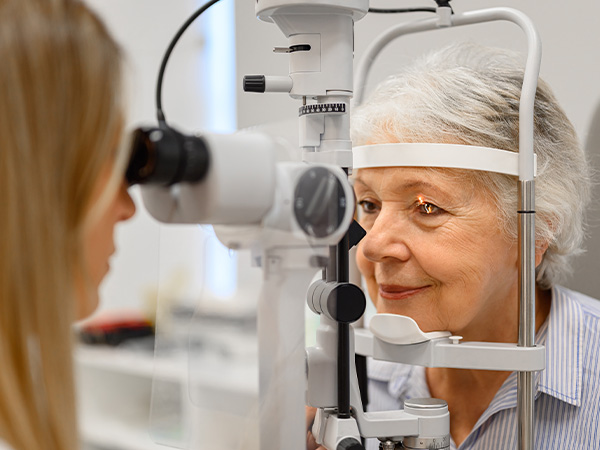
Children may not always recognize that their vision is changing. A comprehensive pediatric eye exam helps identify nearsightedness and determine whether myopia management is appropriate.
Why Start Myopia Management Before the School Year?
Starting the evaluation process before school begins gives families time to understand their child's treatment options and establish a consistent routine.
For children considering Ortho-K, the process involves detailed eye measurements, custom lens fitting, instruction on safe handling, and follow-up appointments. Beginning early provides time to assess comfort, vision quality, and the cornea's response.
During a myopia evaluation, we assess your child's prescription, eye health, and risk factors for progression. We can then discuss available management options based on their individual needs.
Supporting Healthy Vision Habits Throughout the School Year
In addition to prescribed myopia management, healthy daily habits can support children's eye health. Encouraging outdoor activities, taking regular breaks from prolonged near work, and maintaining appropriate reading distances can be beneficial.
However, these habits do not replace professional myopia treatment when progression control is needed. Regular eye examinations remain essential for monitoring changes and adjusting care.
If your child has been diagnosed with nearsightedness or is experiencing worsening distance vision, contact Hip Optics in Riverside, CA, at (951) 776-3100 to schedule a pediatric eye exam and learn more about available myopia management options, including whether Ortho-K may be appropriate.

17675 Van Buren Boulevard STE C Riverside, CA 92504
(951) 776-3100
(951) 776-3125
Hours of Operation
- Monday 9:00am - 5:00pm
- Tuesday 9:00am - 5:00pm
- Wednesday 9:00am - 5:00pm
- Thursday 9:00am - 5:00pm
- Friday 9:00am - 5:00pm
- Saturday By Appointment Only
- Sunday Closed
© 2026 Hip Optics Vision Source. All rights Reserved. Accessibility Statement - Privacy Policy - Sitemap
Powered by:
